PDA Across The Lifespan
When: Wednesday, May 6th at 12:30pm-2pm EST
Where: LIVE on Zoom
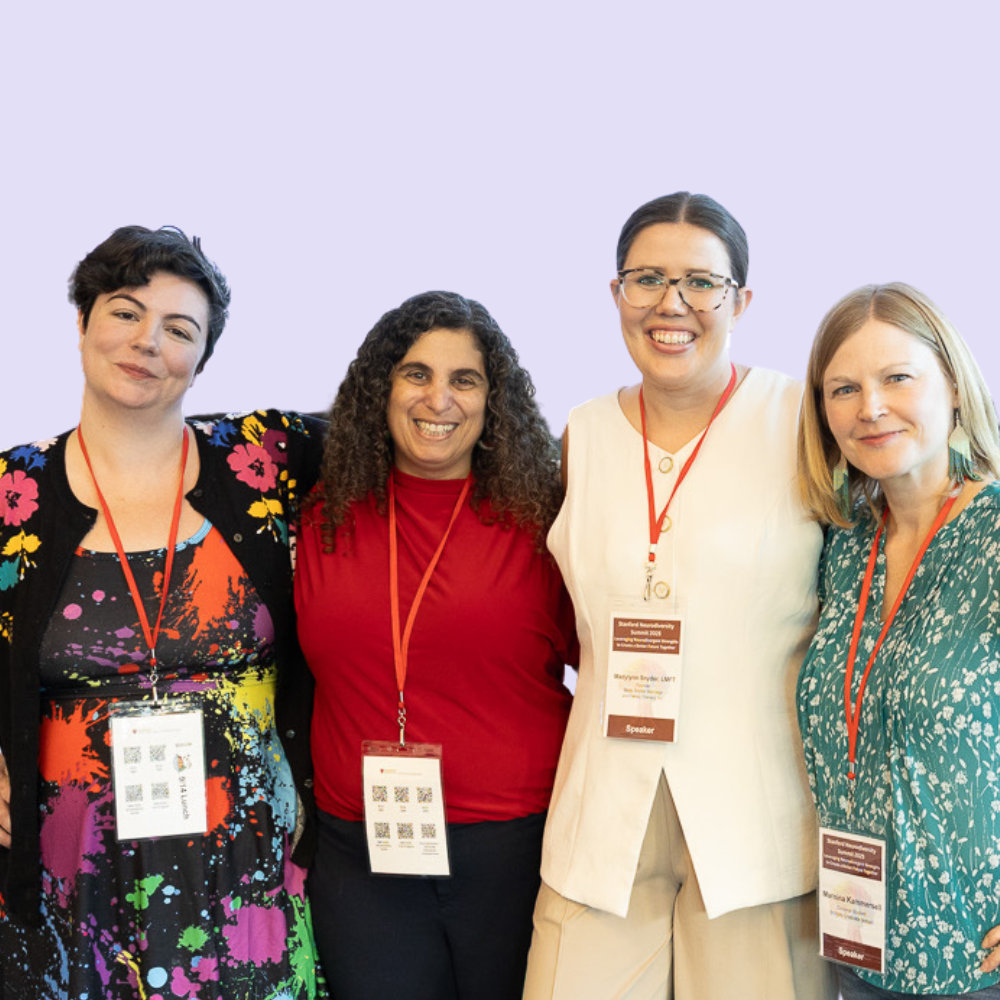
Presented By: Molly Herold, LCMHC, Marni Kammersell, MA Madylyn Snyder, LMFT, and Heidi Wheeler, PsD
Continuing Education: 1.5 NBCC CEs
CE Ticket: $55
Non-CE Ticket: $35
Early Bird Available until April 29th - Use Code EARLYBIRD to take 20% OFF!
Register today!
Join us for a foundational exploration of Persistent Drive for Autonomy (also know as Pathological Demand Avoidance) across the lifespan!
This presentation is offered to clinical professionals, PDA individuals & supporters of PDA individuals hoping to gain a deeper insight and understanding.
Persistent/Pervasive Drive for Autonomy (PDA), also known as Pathological Demand Avoidance and Extreme Demand Avoidance (EDA), is a complex and debated phenomenon often experienced by autistic people and others with neurodevelopmental differences (Egan et al., 2020; Green et al., 2018; Kildahl et al., 2021). Emerging research highlights that resilience in neurodivergent individuals emerges through adaptive responses to life challenges (Black, 2024). Individuals with PDA appear to manage daily social, educational, and vocational challenges through strategies that emphasize control, flexibility, and self-acceptance. Children and adolescents tend to utilize a variety of strategies and often demonstrate early manifestations of resilience by adjusting their coping strategies in response to fluctuating levels of anxiety and perceived demands (Eaton & Weaver, 2020). Adults often develop self-acceptance (what some describe as “accepting our truth”) that underpins their ability to negotiate daily life (Kenny and Doyle, 2024). Supporting PDA individuals requires a multifaceted approach across the lifespan in various contexts. Recognizing the strengths of individuals with PDA, such as their creativity and tenacity, and adopting a flexible, less directive approach can significantly improve their quality of life and overall well-being (Haire et al., 2023). Framing PDA within a neurodiversity-affirming and lived experience-based perspective allows for a comprehensive analysis of the coping strategies and resilience mechanisms employed by individuals to navigate their daily lives (Castro et al., 2023; O’Nions et al., 2017).
Drawing upon community narratives, client accounts and the professional reflections of the neurodivergent clinicians on the panel, this presentation examines how PDA individuals and families navigate social, emotional, and vocational contexts. By centering lived experience, this panel cultivates a more nuanced understanding of PDA and will support broader advocacy efforts, increase awareness, and promote more inclusive and responsive environments across clinical, educational, and community settings.
Learning Objectives
1. Participants will be able to describe the impact of PDA across the lifespan and identify three unique challenges and strengths of PDA individuals.
2. Participants will be able to recognize specific strategies, supports and accommodations for PDA individuals across multiple contexts.
3. Participants will leave equipped to foster positive identity development in PDA individuals utilizing lived-experience based support strategies.
Is the course recorded?
Yes! We record live & email replay access to the recordings a few days after the course.
HOWEVER. LIVE attendance is required to qualify for the Continuing Education Certificate of Completion. A on-demand version of this presentation may be available in the future for purchase.
Can I get NBCC CEs for this course?
This course qualifies for 1.5 NBCC CEs! Please attend the LIVE presentation to qualify.
Meet the Presenters

Molly Herold, EdM, MA, LCMHC
On The Web: www.neuroabundant.com
On Social Media: @Neuroabundant
Molly Herold (They/Them) is an AuDHD licensed clinical mental health counselor in North Carolina. They work primarily with trans/nonbinary folks, trauma and fellow AuDHD adults. In 2022 they founded NeuroAbundant, which aims to offer neurodiversity affirming education for clinicians and community for neurodivergent professionals, integrating clinical practice, social justice, multicultural frameworks with the ever-evolving lived-experience and culture of AuDHD people and the growing neurodiversity movement.
When they aren't deep in nerdy adventures or supporting neurodivergent business owners, you can find them playing with paint or plants, wherever the next hyperfixation takes them!
Marni Kammersell, M.A.
On The Web: www.WanderingBrightly.com
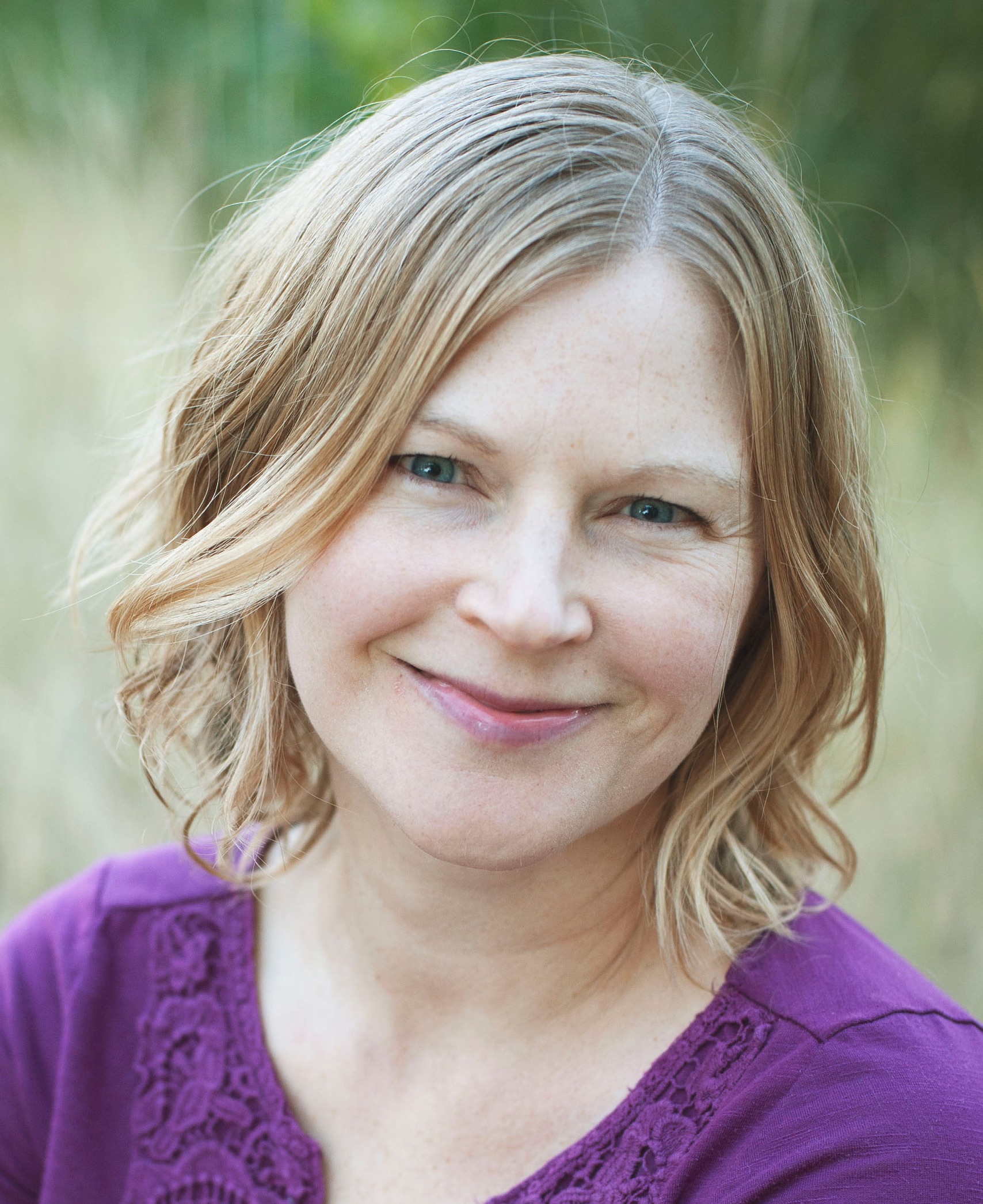
Marni Kammersell is a neurodivergent researcher, writer, and consultant who supports families in creating neuro-affirming learning environments, with particular experience in supporting youth with demand avoidant (PDA) profiles. Her doctoral research focuses on family resilience and how autonomy-supportive environments foster growth and well-being. With over 15 years of experience in alternative education, Marni draws on both research and lived experience to support neurodivergent youth and their families.
Mady Snyder, LMFT
On The Web: www.MadySnyder.com
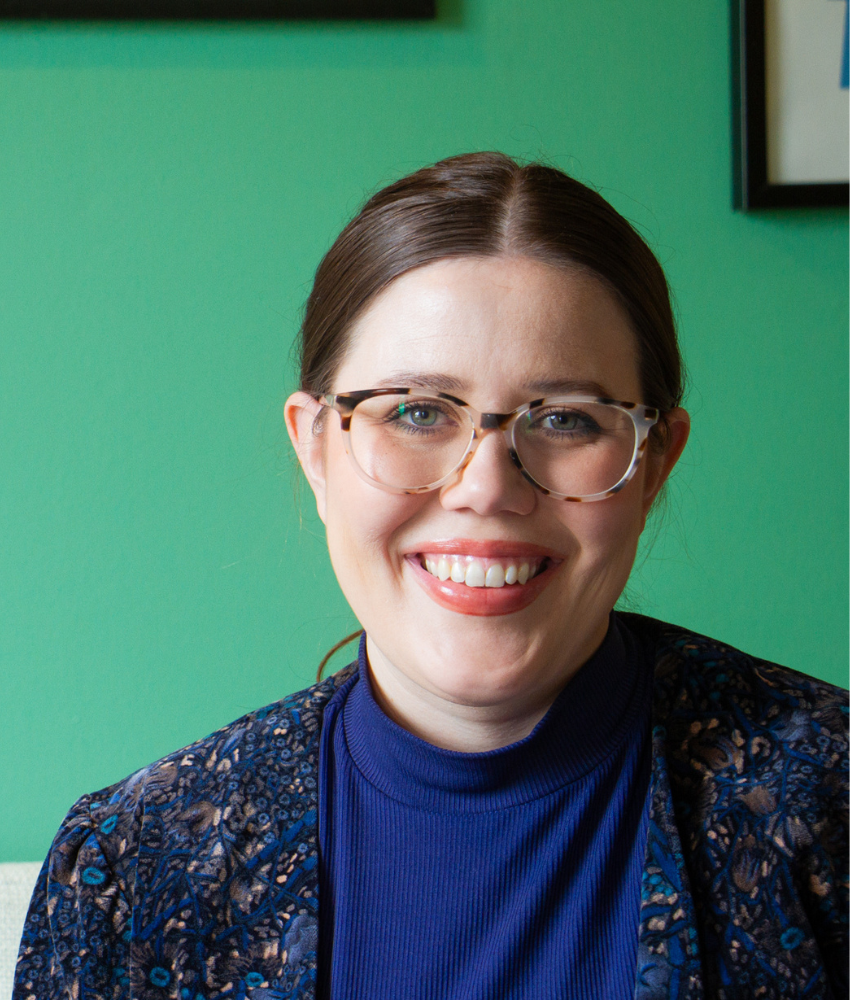
Mady is a multiply Neurodivergent Marriage and Family Therapist in Los Angeles. She specializes in Neurodiversity-Affirming care, particularly with autistic and ADHD individuals and mixed neurotype relationships. She is passionate about educating therapists, organizations, and individuals on Neurodiversity-Affirming care, with a focus on shifting systems toward approaches that honor autonomy, identity, and lived experience.
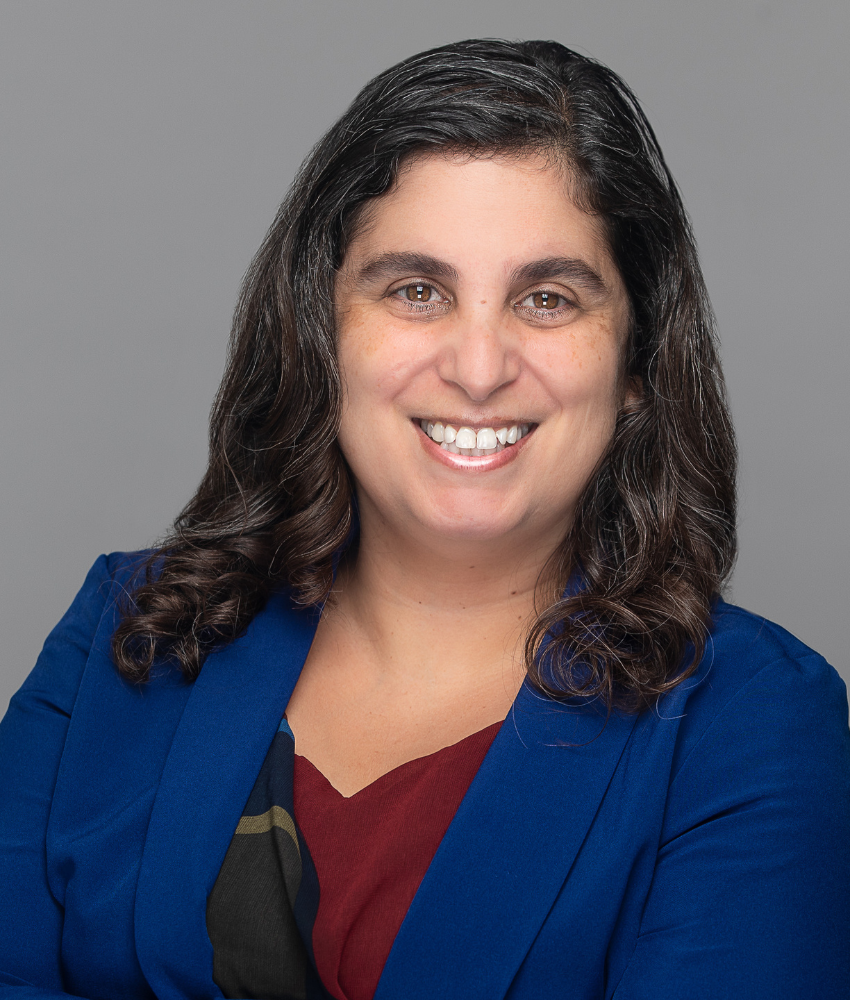
Heidi Wheeler, PsyD
On The Web: www.aaci.org/internship-program-supervisory-team/
Heidi Wheeler, PsyD, is a psychological assessment clinical supervisor and neuropsychologist at AACI in San Jose, CA, and is passionate about training and supporting the next generation of clinicians through her supervision of student trainees, interns, and post-doctoral fellows. She specializes in the evaluation of neurodivergent children, adolescents, and young adults. Dr. Wheeler earned her BA in psychology from UC Berkeley and completed her doctorate in clinical psychology at Azusa Pacific University, with clinical training at the Harbor-UCLA Medical Center, American University of Beirut Medical Center, and a postdoctoral fellowship at Morrissey-Compton Educational Center. Dr. Wheeler previously served as a neuropsychologist at the Child Mind Institute, where she conducted comprehensive neuropsychological assessments and collaborated with families and schools to support youth with complex developmental and learning needs. Internationally, she led the psychology and assessment department at Smart Kids with Individual Learning Differences (SKILD) in Lebanon, training clinicians and advancing awareness of learning challenges throughout the Levant. Dr. Wheeler has also consulted on child protection and trauma programs for war-affected and refugee populations in the Middle East. Dedicated to trauma-informed, culturally responsive care, she values collaboration with families and support networks to create effective, strengths-based intervention plans.
Continuing Education Credit Available: 1.5 NBCC credit hours
NeuroAbundant, LLC. has been approved by NBCC as an Approved Continuing Education Provider, ACEP No. 7589. Programs that do not qualify for NBCC credit are clearly identified. NeuroAbundant LLC is solely responsible for all aspects of the program.
To request accommodations or ask questions, please contact us at contact@neuroabundant.com

PDA Across The Lifespan
When: Wednesday, May 6th at 12:30pm-2pm EST
Where: LIVE on Zoom
Presented By: Molly Herold, LCMHC, Marni Kammersell, MA Madylyn Snyder, LMFT, and Heidi Wheeler, PsD
Continuing Education: 1.5 NBCC CEs
CE Ticket: $55
Non-CE Ticket: $35
Early Bird Available until April 29th - Use Code EARLYBIRD to take 20% OFF!
Register today!
Join us for a foundational exploration of Persistent Drive for Autonomy (also know as Pathological Demand Avoidance) across the lifespan!
This presentation is offered to clinical professionals, PDA individuals & supporters of PDA individuals hoping to gain a deeper insight and understanding.
Persistent/Pervasive Drive for Autonomy (PDA), also known as Pathological Demand Avoidance and Extreme Demand Avoidance (EDA), is a complex and debated phenomenon often experienced by autistic people and others with neurodevelopmental differences.
Supporting PDA individuals requires a multifaceted approach across the lifespan in various contexts. Recognizing the strengths of individuals with PDA, such as their creativity and tenacity, and adopting a flexible, less directive approach can significantly improve their quality of life and overall well-being.
By centering lived experience, this panel cultivates a more nuanced understanding of PDA and will support broader advocacy efforts, increase awareness, and promote more inclusive and responsive environments across clinical, educational, and community settings.
Learning Objectives
1. Participants will be able to describe the impact of PDA across the lifespan and identify three unique challenges and strengths of PDA individuals.
2. Participants will be able to recognize specific strategies, supports and accommodations for PDA individuals across multiple contexts.
3. Participants will leave equipped to foster positive identity development in PDA individuals utilizing lived-experience based support strategies.
Is the course recorded?
Yes! We record live & email replay access to the recordings a few days after the course.
HOWEVER. LIVE attendance is required to qualify for the Continuing Education Certificate of Completion. A on-demand version of this presentation may be available in the future for purchase.
Can I get NBCC CEs for this course?
This course qualifies for 1.5 NBCC CEs! Please attend the LIVE presentation to qualify.
Meet the Presenters
Molly Herold, EdM, MA, LCMHC
On The Web: www.neuroabundant.com
On Social Media: @Neuroabundant
Molly Herold (They/Them) is an AuDHD licensed clinical mental health counselor in North Carolina. They work primarily with trans/nonbinary folks, trauma and fellow AuDHD adults. In 2022 they founded NeuroAbundant, which aims to offer neurodiversity affirming education for clinicians and community for neurodivergent professionals, integrating clinical practice, social justice, multicultural frameworks with the ever-evolving lived-experience and culture of AuDHD people and the growing neurodiversity movement.
When they aren't deep in nerdy adventures or supporting neurodivergent business owners, you can find them playing with paint or plants, wherever the next hyperfixation takes them!
Marni Kammersell, M.A.
On The Web: www.WanderingBrightly.com
Marni Kammersell is a neurodivergent researcher, writer, and consultant who supports families in creating neuro-affirming learning environments, with particular experience in supporting youth with demand avoidant (PDA) profiles. Her doctoral research focuses on family resilience and how autonomy-supportive environments foster growth and well-being. With over 15 years of experience in alternative education, Marni draws on both research and lived experience to support neurodivergent youth and their families.
Mady Snyder, LMFT
On The Web: www.MadySnyder.com
Mady is a multiply Neurodivergent Marriage and Family Therapist in Los Angeles. She specializes in Neurodiversity-Affirming care, particularly with autistic and ADHD individuals and mixed neurotype relationships. She is passionate about educating therapists, organizations, and individuals on Neurodiversity-Affirming care, with a focus on shifting systems toward approaches that honor autonomy, identity, and lived experience.
Heidi Wheeler, PsyD
On The Web: www.aaci.org/internship-program-supervisory-team/
Heidi Wheeler, PsyD, is a psychological assessment clinical supervisor and neuropsychologist at AACI in San Jose, CA, and is passionate about training and supporting the next generation of clinicians through her supervision of student trainees, interns, and post-doctoral fellows. She specializes in the evaluation of neurodivergent children, adolescents, and young adults. Dr. Wheeler earned her BA in psychology from UC Berkeley and completed her doctorate in clinical psychology at Azusa Pacific University, with clinical training at the Harbor-UCLA Medical Center, American University of Beirut Medical Center, and a postdoctoral fellowship at Morrissey-Compton Educational Center. Dr. Wheeler previously served as a neuropsychologist at the Child Mind Institute, where she conducted comprehensive neuropsychological assessments and collaborated with families and schools to support youth with complex developmental and learning needs. Internationally, she led the psychology and assessment department at Smart Kids with Individual Learning Differences (SKILD) in Lebanon, training clinicians and advancing awareness of learning challenges throughout the Levant. Dr. Wheeler has also consulted on child protection and trauma programs for war-affected and refugee populations in the Middle East. Dedicated to trauma-informed, culturally responsive care, she values collaboration with families and support networks to create effective, strengths-based intervention plans.
Continuing Education Credit Available: 1.5 NBCC credit hours
NeuroAbundant, LLC. has been approved by NBCC as an Approved Continuing Education Provider, ACEP No. 7589. Programs that do not qualify for NBCC credit are clearly identified. NeuroAbundant LLC is solely responsible for all aspects of the program.
To request accommodations or ask questions, please contact us at contact@neuroabundant.com
© Copyrights by NeuroAbundant. All Rights Reserved.